

Building Worlds, Making Pennies: How Federal Labor Laws Fail to Protect Roblox Developers
As of June 2025, Roblox Corporation’s size exceeded the likes of well-known game companies such as Take-Two Interactive and Square Enix, creators of Grand Theft Auto and Final Fantasy, respectively. Roblox's size can be attributed to the recent surge in popularity since the pandemic, with users of all demographics spending hours in the game. The popular gaming hub advertised itself as made for kids, by kids, and that remains partly true today. While adults make up the majority of profitable Roblox developers, many children still create games and cosmetics. The Fair Labor Standards Act of 1938 (FLSA), otherwise known as the federal labor law, prohibits employees under sixteen from working in hazardous conditions. Should this law prohibit Roblox’s enterprise?
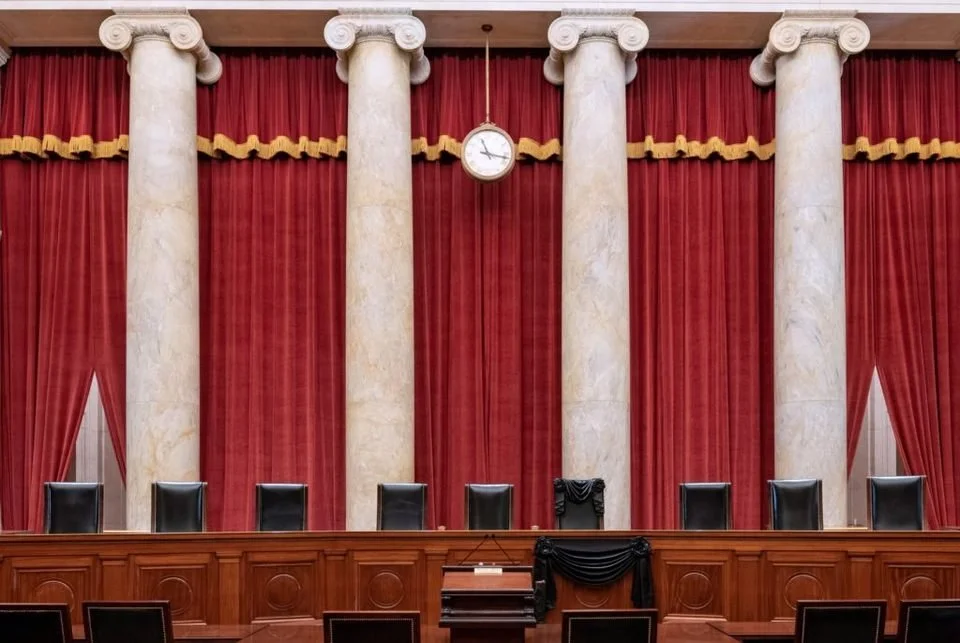
Debate Breakdown: Perspectives on Term Limits for the U.S. Supreme Court
The Supreme Court of the United States represents the judicial branch of government. For decades legislators and members of Congress have attempted to institute term limits for justices of the Court. This article will provide an overview of current standing and debate on the issue and explore the reasons for change as well as what negative impacts such a shift in policy could create for the nation's highest judicial body.

The Silent Concert: The Isabella Stewart Gardner Museum Heist, 35 Years Later
The walls within the estate of Théophile Thoré existed as the second-to-last publicly known location of a particular set of two paintings inside a painting created by Johannes Vermeer. Eccentric heiress named Isabella Stewart Gardner acquired this unique work at a 19th-century auction, she then took the piece to her eponymous museum in Boston, Massachusetts, where it remained unmanipulated until a fateful heist on March 18th, 1990.

Once Upon a Copyright: How a Mouse Became a Monopoly
Once upon a time, a mouse was born. Not in a forest or a fairytale, but aboard a steamboat - whistling his way into history. In 1928, Mickey Mouse was just a cartoon: two dots for eyes, a high-pitched laugh, and oddly lovable charm. He wasn’t yet a corporate mascot, legal case study, or a billion-dollar brand. But he would become all three.

Behind the Wheel and Behind Bars: Understanding Nevada’s DUI Laws
In Nevada, one drink can change your life. A casual night out can quickly spiral into a legal nightmare if you’re caught driving under the influence, but what’s more disturbing is how often impaired drivers avoid consequences entirely because the law, as it stands, isn’t strong enough.

Those Above the Law: Rethinking Qualified Immunity
In 2004, Officer Brosseau shot Kenneth Haugen in the back while he was fleeing from the scene of the crime. The defense argued qualified immunity, claiming Officer Brosseau was entitled to it. Qualified immunity is a legal doctrine that protects government officials from being personally sued for monetary damages in civil court, even if it violates a person’s constitutional rights.

The Legality of AI Training on Copyrighted Written Works
“Imagine a future where the very books, articles, and works of art we cherish could be leveraged by algorithms to create new forms of expression — without the permission of the authors. The rising use of AI to train on copyrighted literature has sparked intense debate about ownership, creativity, and the boundaries of intellectual property.” This was a hook written entirely by Artificial Intelligence (AI), and it might have been difficult to discern. In the world we live in, it is becoming increasingly difficult to distinguish human-made writing and art from AI.

The ADA on Trial: What Stanley v. City of Sanford Reveals About Disability Rights Today
Across the nation, millions of public employees are under the impression that secure healthcare is a part of their retirement benefits. However, policies often change without employees being adequately informed, leaving many unaware of the changes until it is too late. In the case of Karyn Stanley, this reality became painfully clear.

Purdue Pharma, Sackler Family, and the Opioid Crisis in America
OxyContin is a powerful opioid painkiller, twice as strong as morphine, the widespread use of which later fueled one of the deadliest addiction crises in American history. Despite the company facing charges for misleading marketing practices, the Sacklers have consistently denied personal wrongdoing. The case of Purdue Pharma and the Sackler family exposes how corporate greed, unethical marketing, and regulatory flaws contributed to the opioid epidemic in the United States.